Hoe Street gardeners pruning and planting services: a practical guide to healthier, better-looking gardens
If your garden has started to feel a bit unruly, or the planting never quite settles the way you hoped, Hoe Street gardeners pruning and planting services can make a real difference. One day the shrubs are creeping over the path, the next the borders look patchy and tired. It happens. Gardens change fast in London, especially after a wet spell, a warm burst of growth, or one of those weeks where everything seems to flower at once.
This guide explains what pruning and planting services involve, why they matter, how the work is usually carried out, and what to look for if you want the best long-term results. It also covers common mistakes, realistic expectations, and the little decisions that separate a neat-looking garden from a truly well-managed one. If you are comparing services, you may also find it useful to look at broader support such as garden maintenance or related work like hedge trimming and landscape gardening.
To be fair, pruning and planting sound simple on paper. In practice, they affect plant health, structure, flowering, root development, and even how easy the garden is to live with day to day. That is why a careful, local approach matters.
Table of Contents
- Why Hoe Street gardeners pruning and planting services matters
- How Hoe Street gardeners pruning and planting services works
- Key benefits and practical advantages
- Who this is for and when it makes sense
- Step-by-step guidance
- Expert tips for better results
- Common mistakes to avoid
- Tools, resources and recommendations
- Law, compliance, standards and best practice
- Options, methods and comparison table
- Case study or real-world example
- Practical checklist
- Conclusion
- Frequently asked questions
Why Hoe Street gardeners pruning and planting services Matters
Pruning and planting are not just "tidy-up" jobs. They shape the way a garden behaves over months and seasons. A thoughtful prune encourages better airflow, healthier growth, more flowers, and a stronger structure. Good planting does something equally important: it gives each plant the right start in the right place, with enough space, enough light, and the right soil conditions to settle in properly.
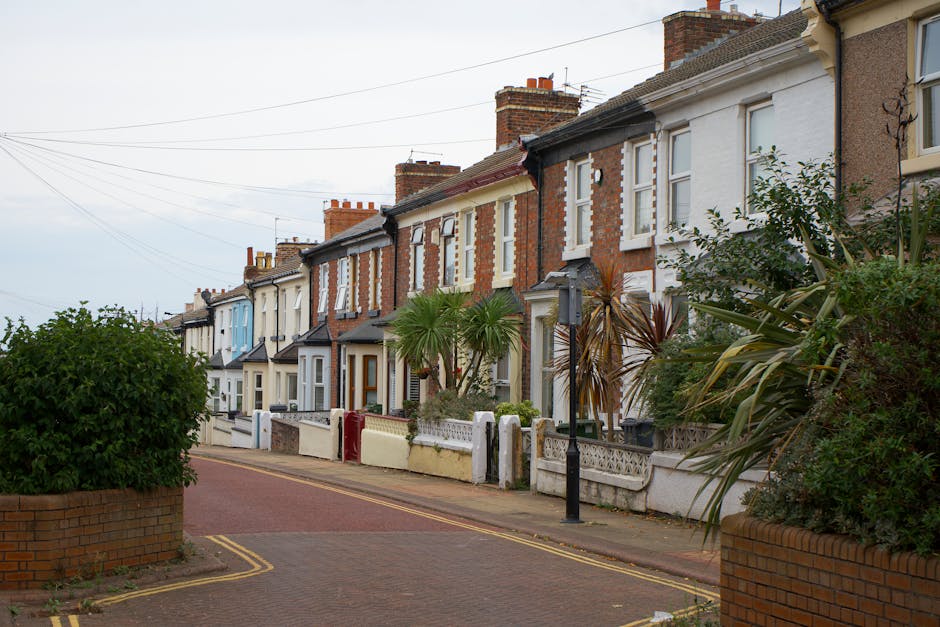
In a busy street setting like Hoe Street, gardens often need to work harder than people expect. Space is tighter, boundaries are shared, and shade from nearby buildings can make some borders tricky. A plant that looks lovely in a nursery pot can struggle if it is dropped into the wrong corner without a plan. That is where practical, experienced gardeners earn their keep.
There is also the simple matter of avoiding waste. When pruning is done badly, shrubs can become bare, uneven, or stressed. When planting is done badly, you can end up replacing plants again and again, which is expensive and frustrating. Good work reduces that churn. It gives you a garden that holds together.
Expert summary: Pruning manages growth you already have; planting sets up the growth you want next. The best gardens usually need both, done in the right order and at the right time.
If your outdoor space needs a fuller refresh, it may help to explore garden clearance before new planting begins, especially where old roots, dead stems, or unwanted debris are getting in the way.
How Hoe Street gardeners pruning and planting services Works
Most pruning and planting jobs begin with a quick but careful look at the garden as a whole. A good gardener is not just staring at one rose bush or one border. They are reading the site: sunlight, drainage, current plant health, soil quality, access, and the general rhythm of the space. That first assessment shapes everything that follows.
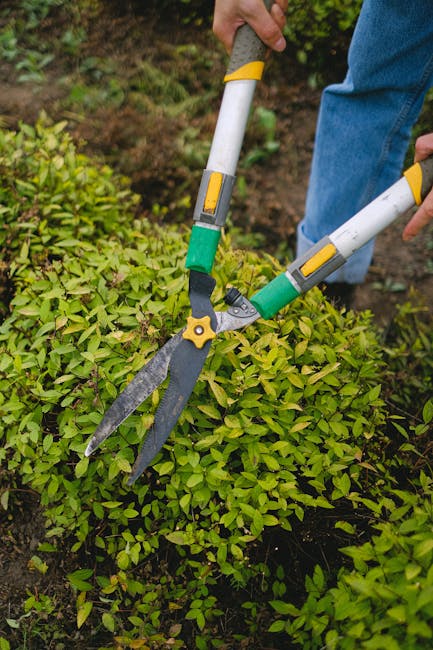
Pruning usually starts with removing dead, damaged, diseased, or crossing stems. After that comes shaping. The aim is not to make every plant look like a green football. Honestly, that would be a bit grim. The aim is to improve the plant's natural form while keeping size, balance, and flowering in mind.
Planting works the other way around. It begins with choosing the right plants for the right conditions. That means matching mature size to available space, choosing varieties that suit shade or sun, and grouping plants in a way that looks good now and still works later. Experienced gardeners often think in layers: structure first, then seasonal colour, then ground cover or fillers to reduce bare patches.
In a typical visit, you might see the following flow:
- Site inspection and discussion of goals.
- Identification of what needs pruning, what should be left alone, and what can be planted.
- Soil preparation and any necessary removal of old growth.
- Pruning using the right method for each plant type.
- Planting, firming in, watering, and mulching where needed.
- Final shaping, tidy-up, and guidance on aftercare.
It sounds straightforward, and often it is. But the judgment calls matter. For example, some shrubs respond well to a harder cut, while others need a lighter touch. Get that wrong and you may lose flowering for a season. Or more. Slightly annoying, that.
Key Benefits and Practical Advantages
The obvious benefit is a garden that looks better. But the real value goes deeper than appearance. Good pruning and planting improve the way the whole space functions.
- Healthier plants: Removing dead or crowded growth helps reduce disease pressure and improves airflow.
- Better flowering and fruiting: Many plants perform better when pruned at the right time and in the right way.
- Smarter use of space: Thoughtful planting prevents overcrowding and keeps paths, windows, and boundaries clear.
- Less future maintenance: A well-planted border with the right plant mix often needs less rescue work later.
- Improved curb appeal: Even a modest front garden can look much more welcoming after a careful prune and replant.
- Seasonal interest: Mixing evergreens, perennials, and flowering plants keeps the garden interesting beyond one short bloom window.
There is also a quieter advantage: confidence. Once the pruning is finished and the new planting has settled, you stop feeling like the garden is winning the argument. You know the one. The afternoon with the secateurs that turns into a whole weekend.
For gardens that need ongoing support, pruning and planting can sit neatly alongside lawn mowing and regular services overview planning, so the space stays balanced rather than lurching between overgrown and overcut.
Who This Is For and When It Makes Sense
This service suits all sorts of people, not just keen gardeners. In fact, it is often most useful for people who want a well-kept garden but do not have the time, tools, or confidence to manage plant structure properly.
You may benefit if:
- shrubs are getting too large for their space
- flowering has become patchy or reduced
- your borders look sparse, tired, or unbalanced
- you have just moved into a property and want to improve the garden quickly
- you are preparing for sale, letting, or a family event
- you want a planting scheme that is easier to maintain over time
- you have inherited a garden and need help understanding what stays and what goes
It also makes sense after larger works. For example, if a boundary has been cleared or a space has been reworked, new planting can help soften hard edges and make everything feel finished. If there is timber or structural work involved, services such as decking services or landscaping may create a better foundation before plants are added back in.
Sometimes the timing is obvious. Sometimes it is not. A good rule of thumb: if you are already thinking "this needs sorting before it gets worse," you are probably right.
Step-by-Step Guidance
If you want to understand what a sensible pruning and planting job looks like, it helps to break it down. Not every job needs the same process, but the core logic is usually similar.
1. Assess the space honestly
Look at what is working and what is not. Which plants are healthy? Which are cramped, leggy, or damaged? Is there enough light? Is the soil dry, sticky, or depleted? A bit of honesty here saves a lot of grief later.
2. Decide what to keep, prune, replace, or move
Some plants only need a trim. Others may need a renewal prune. A few may be past their best and worth replacing. If something is in the wrong place entirely, moving it can be smarter than forcing it to survive where it is.
3. Choose plants that suit the conditions
Good planting starts with fit. A sun-loving plant in a shady border will always be fighting uphill. Likewise, a plant that grows wide and woody will eventually crowd a narrow path. Mature size matters. A lot.
4. Prepare the soil
Clear weeds, remove debris, and improve the soil structure where needed. This is often the least glamorous part, but it is one of the most important. Plants rarely thrive in compacted, lifeless soil, no matter how pretty they looked in the container.
5. Prune with the plant's growth habit in mind
Different plants need different cuts. Some benefit from tip pruning, some from thinning, and some from a more structured reduction. A careful cut follows the plant's natural shape rather than fighting it.
6. Plant at the correct depth and spacing
Too deep and roots struggle. Too shallow and the plant can dry out or wobble. Spacing matters just as much. It is tempting to plant tightly for instant impact, but crowded borders usually become a problem later.
7. Water, mulch, and monitor
Fresh planting needs consistent aftercare. Watering helps roots settle. Mulch helps retain moisture and suppress weeds. Then comes observation. Are the leaves perking up? Is the soil holding moisture? Is anything wilting on a hot afternoon? Those early signs tell you plenty.
Truth be told, the first few weeks after planting can be the make-or-break period. That is where careful aftercare earns its value.
Expert Tips for Better Results
Here are the small choices that often make the biggest difference.
- Prune for shape, not just size. Cutting something smaller is not the same as improving it.
- Group plants by need. Mix species that like similar light and moisture levels together.
- Think seasonally. Aim for a garden that has structure in winter, growth in spring, and colour through summer and autumn.
- Leave breathing room. Plants almost always look better with a little space than with too much crowding.
- Use mulch thoughtfully. It is not just decorative; it helps the soil stay stable and supports root health.
- Keep a record of what was planted. Even a simple note on your phone can help with future pruning and feeding.
A small bit of planning now saves a lot of guesswork later. And yes, gardens do have a habit of making liars of our best intentions if we ignore them for too long.
If your wider aim is a lower-fuss garden, it can be worth combining planting with ongoing garden maintenance, so pruning, watering, weeding, and reshaping all stay in sync.
Common Mistakes to Avoid
Most garden problems after pruning and planting come from a handful of predictable mistakes. The good news? They are all avoidable.
- Pruning at the wrong time: Some plants flower on old wood, so a random cut can remove next season's blooms.
- Cutting too much at once: A hard cut can shock the plant, especially if it is already stressed.
- Ignoring mature size: A small plant in a pot can become a large one very quickly.
- Planting in the wrong light: Sun and shade really do matter. More than people sometimes admit.
- Overwatering or underwatering: New plants need attention, but not constant fussing.
- Not preparing the soil: If the base is poor, the results will be patchy no matter how good the plant selection is.
- Forgetting aftercare: Planting day is the beginning, not the finish line.
One common real-world scenario: a border gets planted for instant colour, but the taller plants shade out the smaller ones by midsummer. It looks lovely for three weeks, then starts to look crowded and tired. That is avoidable with a more balanced plan.
Tools, Resources and Recommendations
You do not need a shed full of specialist kit for every job, but the right tools make pruning cleaner and planting more reliable.
| Tool or resource | Best use | Why it helps |
|---|---|---|
| Sectateurs | Small stems and precise cuts | Gives a cleaner finish and reduces damage to plant tissue |
| Loppers | Thicker branches and woody stems | Helps with leverage and control on larger growth |
| Spade or border fork | Planting and soil preparation | Improves hole shape, root placement, and soil loosening |
| Compost or soil improver | Border preparation | Supports root establishment and soil structure |
| Mulch | After planting | Helps retain moisture and reduce weeds |
| Plant labels or notes | Ongoing garden records | Makes future pruning and feeding much easier |
Professional gardeners also pay attention to access, waste handling, and safety gear. That can sound boring, but it matters, especially in tighter urban gardens where there are awkward corners, uneven ground, or heavy bags to move through side passages.
If sustainability matters to you, it is sensible to ask how green waste is handled and whether materials are reused or recycled where possible. You can also read more about recycling and sustainability if you want to understand that side of the service better.
Law, Compliance, Standards and Best Practice
For most homeowners, pruning and planting is straightforward practical work rather than a heavily regulated service. Even so, there are a few standards and sensible checks worth keeping in mind.
First, safety matters. Any contractor working with tools, ladders, or heavy waste should have appropriate risk awareness and sensible working methods. It is fair to ask how they manage safety on site. If work involves machinery, awkward access, or the removal of larger woody material, you want the job handled carefully rather than rushed.
Second, plant protection matters in a broader sense. Good practice means avoiding unnecessary damage to healthy specimens and checking before removing anything that might be important to the layout or the garden's long-term structure. In a shared or boundary-heavy space, communication is especially important.
Third, transparency matters. A trustworthy provider should be clear about pricing, scope, and what is included. If plant supply, disposal, or follow-up care is being discussed, those details should be explained in plain English. No mystery, no muddle.
For homeowners comparing services, useful trust signals include clear company information, sensible payment processes, and straightforward policy pages such as about us, pricing and quotes, payment and security, and insurance and safety.
There is also the ethical side. Many customers like to know that suppliers have a clear approach to complaints, accessibility, privacy, and wider responsibilities. Those details do not plant a single shrub, but they do say a lot about how the business is run. If you care about those things, it is reasonable to check the relevant policy pages.
Options, Methods and Comparison Table
Not every garden needs the same level of intervention. Some spaces only need a tidy prune and a few fresh plants. Others need a more structural approach. Here is a simple comparison to help frame the decision.
| Approach | Best for | Strengths | Watch-outs |
|---|---|---|---|
| Light pruning and refresh planting | Gardens that are mostly healthy but a little messy | Quick improvement, low disruption, good for seasonal tidy-ups | Won't solve deeper design or soil problems |
| Reshaping with selective pruning | Overgrown shrubs or borders losing form | Improves structure while keeping established plants | Needs judgement to avoid overcutting |
| Replanting a border | Tired, sparse, or failed planting schemes | Fresh start, better plant selection, stronger seasonal interest | Requires more upfront planning and soil preparation |
| Combined pruning, planting, and wider landscaping | Gardens needing a noticeable transformation | Best for long-term results and better layout | More involved, so costs and timing need careful discussion |
If the garden needs a full reset rather than a light touch, pairing pruning and planting with garden clearance or broader landscaping can save time and prevent the work being undone by leftover debris or awkward layout choices.
Case Study or Real-World Example
Here is a realistic example from the kind of job many urban gardeners recognise. A small front and rear garden had become uneven over a couple of seasons. One side border was full of woody shrubs reaching too far out, while the other side had gaps where plants had failed. The owner wanted the space to feel tidy, greener, and easier to keep on top of without turning it into a high-maintenance showpiece.
The job started with pruning back the shrubs that were blocking light and narrowing the path. Rather than cutting them all to the same height, the work followed each plant's shape. That preserved depth and avoided the "flat wall of green" look. The existing border was then improved with a few well-chosen plants for structure, plus lower-growing plants to fill bare areas. The soil was loosened, compost was added, and mulch was used to help hold moisture.
After a few weeks, the difference was not dramatic in a flashy way. It was better than that. The border looked calmer. The front path felt wider. New plants had started to settle in, and the whole space seemed to breathe a bit easier. That is often what good pruning and planting does: it does not shout. It just quietly fixes things.
And if you have ever walked into a garden after a proper prune on a bright morning, with that fresh green smell in the air, you will know the feeling. Small win, but a real one.
Practical Checklist
Use this checklist before booking or starting work. It keeps the project grounded and makes it easier to judge whether the service is being planned properly.
- Identify which plants need pruning, replacing, or leaving alone.
- Check whether the garden has enough light for the plants you want.
- Ask what will happen to green waste and removed material.
- Confirm whether soil improvement or mulching is included.
- Make sure mature plant size has been considered.
- Decide whether the work is a one-off refresh or part of ongoing maintenance.
- Ask about watering and aftercare for newly planted areas.
- Check whether related services like hedge work or clearance are needed first.
- Review the provider's company information and policy pages.
- Agree the scope in writing before work begins.
If you are still unsure where to begin, it can help to read the broader services overview first, then decide which parts of the garden need attention now and which can wait until later. No need to do everything at once.
Conclusion
Well-planned pruning and planting do more than improve appearance. They help a garden function better, age better, and feel easier to live with. That is the real value of Hoe Street gardeners pruning and planting services: they turn a garden from something you keep reacting to into something that feels under control again.
Whether you are refreshing a small front border, reshaping overgrown shrubs, or starting from a tired patch of ground that needs a proper rethink, the best results come from clear planning, the right plants, and sensible aftercare. Nothing flashy. Just careful, grounded work done well.
And honestly, that is usually what makes the biggest difference. A garden does not need to be perfect. It just needs to feel cared for.
Get a free quote today and see how much you can save.
If you are ready to talk through the details, you can also visit the contact us page to get the conversation started in a straightforward way.
Frequently Asked Questions
What do Hoe Street gardeners pruning and planting services usually include?
They usually cover assessment of the garden, pruning of shrubs or other plants, selection and planting of suitable varieties, soil preparation, watering, and basic tidy-up. Some jobs also include mulching or advice on follow-up care.
When is the best time to prune garden plants?
It depends on the plant. Some shrubs are best pruned after flowering, while others are handled during dormant periods. A good gardener will judge each plant individually rather than using one blanket rule for everything.
Can pruning damage plants if it is done badly?
Yes. Cutting too hard, cutting at the wrong time, or removing the wrong stems can stress the plant and reduce flowering or shape. That is why plant-specific knowledge matters more than just having sharp tools.
How do I know which plants should be replaced instead of pruned?
If a plant is diseased, badly placed, weak, or structurally failing, replacement may be better than trying to rescue it with repeated cuts. A practical inspection usually makes this decision clearer.
Do I need to prepare the soil before new planting?
Usually, yes. Even modest soil preparation can make a big difference to establishment. At minimum, weeds and debris should be removed and the planting area should be loosened and improved where needed.
Is planting better done in spring or autumn?
Both can work well, depending on the plant and the weather. Autumn often gives roots time to establish before summer heat, while spring can also be suitable for many varieties. The right choice depends on the species and the garden conditions.
What if my garden is very small or shaded?
That is still workable. Small or shaded gardens just need more careful plant selection and spacing. Shade-tolerant plants, vertical structure, and restrained pruning often produce the best results in tighter urban spaces.
How long does it take for new plants to settle in?
Often several weeks to a few months, depending on the plant, weather, and aftercare. Some plants settle quickly, while others need a full growing season before they really look established.
Can pruning and planting be done as part of a bigger garden project?
Absolutely. In many cases, it works best alongside clearance, maintenance, hedging, or landscaping. A joined-up approach can save time and produce a cleaner final result.
What should I ask before booking a service?
Ask what is included, how waste will be handled, whether soil improvement is part of the job, what plants are being suggested, and how aftercare is managed. Clear answers are a good sign.
Are there any safety or insurance checks I should care about?
Yes. It is sensible to check that the business has appropriate safety practices and clear policy information. For peace of mind, pages like health and safety policy and insurance and safety can help you understand their approach.
Will pruning and planting make my garden low maintenance?
It can certainly make it easier to manage, but no garden is truly maintenance-free. Choosing the right plants and spacing them sensibly reduces the work, though regular attention will still be needed from time to time.